'%3e%3crect%20width='24'%20height='24'%20fill='%23372AA4'/%3e%3c/g%3e%3c/svg%3e)
Different Types of Gift Cards You Can Trade in Nigeria
Discover the different types of gift cards you can trade in Nigeria, including Amazon, iTunes, Steam, and more. Learn which cards have the best value and demand.
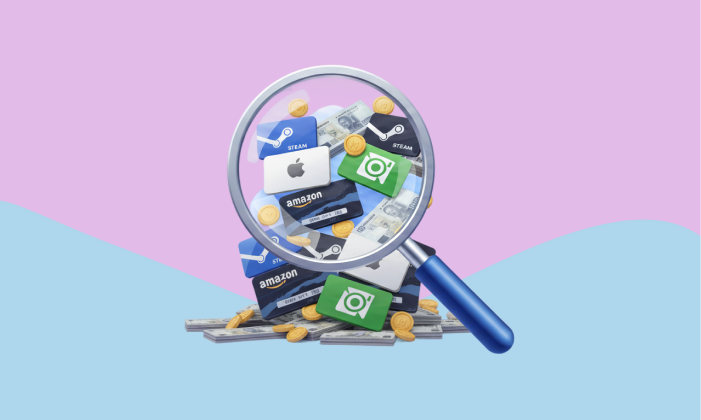
Gift cards are no longer just something you give at birthdays or Christmas. In Nigeria's digital asset market, they have become one of the most actively traded instruments around, sitting comfortably alongside crypto as a reliable way to move and store value.
The uniqueness of gift cards is that you do not look for them, they find you. A client sends one as payment. A relative abroad includes one in a birthday message. A platform rewards you with one after a promotion. And suddenly you're sitting on something with real value that you have no practical way to spend locally.
Different gift cards come from a different ecosystem, carry different demand levels, and command a different rate in the Nigerian market. If you're going to trade them seriously, or even occasionally, understanding what you're holding matters.
This guide breaks down the most common gift card types available in Nigeria, what makes each one valuable, and what you need to know before you trade.
Related Article: How to Buy Amazon Gift Cards in Nigeria
The Common gift cards types available in Nigeria
iTunes / Apple Gift Cards

If you've been around the Nigerian gift card market for any length of time, you already know iTunes cards. They've been one of the most actively traded cards in the country for years. They give you access to the entire Apple ecosystem: the App Store, Apple Music, iCloud, Apple TV+, and more. They're issued globally, recognized everywhere, and come in USD as a default for most cards circulating in Nigeria.
The card format has changed over the years, what used to be called an iTunes gift card is now marketed as an Apple Gift Card, but older cards are still valid and still trade. The bigger thing to watch is denomination. Higher value USD cards, $100 and above, tend to perform better. And as with all cards, unscratched and unused cards move faster and at cleaner rates than ones that have been partially redeemed.
Amazon Gift Cards

Amazon gift cards are interesting because their trade value in Nigeria comes almost entirely from a gap, the fact that Amazon doesn't have a local storefront here. If you're holding one, your options for using it directly are limited. You can shop on Amazon internationally and ship to Nigeria, but that's slow, expensive, and not always practical.
So, most people sell when they get it. And because that's a situation a lot of Nigerians find themselves in, there's consistent demand on the buying side too.
Amazon cards are trusted, widely recognized, and available in high denominations, however, not all Amazon cards are treated equally. Amazon US cards are what the Nigerian market really wants, UK and Canadian cards follow at lower rates.
Google Play Gift Cards

Google Play cards are probably the most relatable on this list because Android is everywhere in Nigeria. Most people have used a Google Play-connected device at some point, even if they've never bought a gift card themselves.
These cards load credit onto a Google account for spending on apps, games, movies, books, and in-app purchases. They come through all kinds of channels, either as gifts, gaming rewards, promotional codes, or payment for digital work. That wide distribution is part of what makes them consistently available to trade.
Google Play cards are region-locked, a US card is tied to a US Google account. This doesn't affect trading, but it does affect how you describe the card when submitting. Selecting the wrong region when entering your details is one of the most common causes of processing delays, and it's entirely avoidable. Just confirm the card's country of origin before you start.
USD cards lead in rate, as always. Mid-range denominations, $25 to $100, tend to be the sweet spot for most traders.
Steam Gift Cards

Steam is the world's biggest PC gaming platform, and its gift cards circulate heavily in Nigeria's growing gaming community. They come in through gifts, gaming forums, international purchases, and digital reward programs, and a significant number of the people holding them have no real intention of using them on Steam.
Steam cards are recognizable, reliably in supply, and attract interest beyond just gamers, which keeps the market for them active throughout the year.
Just to be clear, Steam gift cards and Steam Wallet codes are not the same thing, and neither is the same as a game-specific activation key. The standard Steam gift card is what trades well on platforms like Glover. If you're holding a game key or a promotional Steam code, check compatibility before submitting, these are handled differently and may not be accepted through the standard gift card flow.
Gaming seasons, major Steam sales, holiday periods, and new title releases can also shift supply and demand enough to affect rates. If you're not in a rush and you're sitting on Steam cards, it occasionally pays to watch the market before selling.
Visa / Mastercard Prepaid Gift Cards

These are the ones that feel the most like real money because in practice, they almost are. A Visa or Mastercard prepaid gift card works exactly like a debit card anywhere that accepts Visa or Mastercard globally.
That flexibility is why these cards command strong interest in Nigeria. A $200 Visa prepaid card is $200 that can be spent almost anywhere in the world. For traders, that's a compelling proposition.
This is also the most variable category and the one where getting your details right matters most. Not all prepaid Visa and Mastercard cards are the same. A Vanilla Visa, a Green Dot card, and a bank-issued prepaid Mastercard all carry different trade profiles, and the issuing bank and country of origin affect the rate you'll receive.
If you regularly receive payment via prepaid cards, freelancers and remote workers especially, this is a category worth understanding in detail.
Related: How to Avoid Gift Card Scams in Nigeria
So Which Gift Card Actually Gives You the Best Rate?
Honestly, it depends on the day and the market, but a few things hold true across the board.
USD is almost always king.
Regardless of which card type you're trading, a USD card will outperform the equivalent in GBP, EUR, or any other currency in the Nigerian market. If you have a choice, go with USD.
Brand recognition drives demand.
Cards tied to platforms people actually know and use, like Apple, Amazon, and Google, tend to hold stronger, more stable rates. The more universally recognized the brand, the more liquid the card.
The details you enter matter more than people think.
Wrong currency selection, blurry images, and inaccurate denominations do not just slow your transaction down. They affect the rate you get and, sometimes, whether the transaction goes through at all. Taking two extra minutes to get your submission right is genuinely worth it.
Rates are not fixed.
They shift with the market sometimes within the same day. Checking Glover's live rate before every trade, rather than assuming yesterday's figure still applies, is one of the simplest habits that makes a real difference over time.
Also Read: What Is a Gift Card Used For in Nigeria?
Frequently Asked Questions
Which gift card has the best rate in Nigeria right now?
Rates change daily based on market demand. iTunes and Amazon USD cards have historically performed strongly, but the best way to know is to check Glover's live rate board before trading.
Can I sell multiple types of gift cards on Glover?
Yes. Glover supports all the major card categories covered in this guide, iTunes, Amazon, Google Play, Steam, and Visa/Mastercard prepaid, all within the same account.
Do physical and digital gift cards trade at the same rate?
Not always. Digital e-gift cards are generally easier to verify and can move faster, but rates depend more on currency and denomination than format. Check the specific rate for your card type on Glover.